8 Overlooked Tax Deductions for Small Businesses in 2026: Stop Leaving Money on the Table
October 14, 2026 · 6 min read
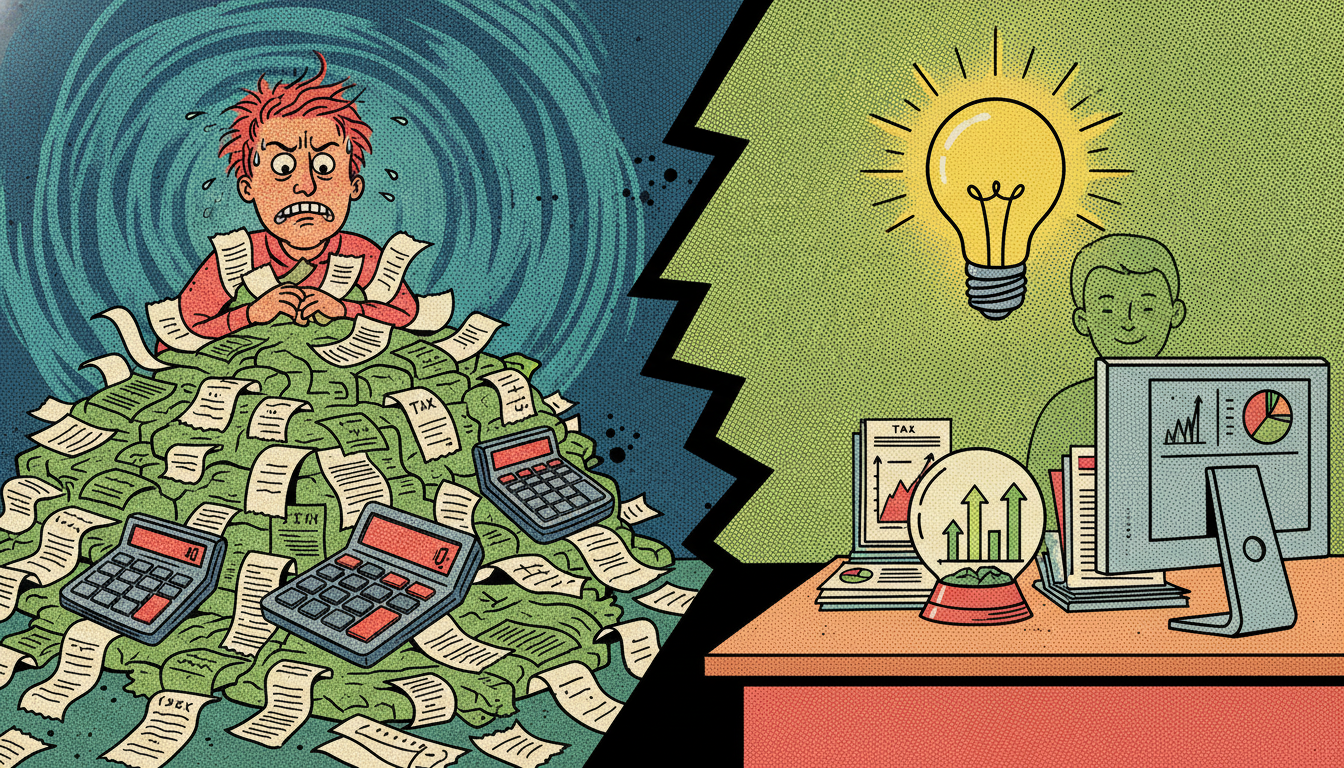
Here's an uncomfortable truth: most small business owners—including real estate investors running their operations through an LLC or S-Corp—are overpaying on taxes. Not because the tax code is stacked against them, but because they simply don't know what they're allowed to deduct.
Every dollar you fail to write off is a dollar you're handing to the IRS instead of reinvesting into your next deal, your retirement, or your family's future. The good news? 2026 still offers a powerful lineup of deductions that many business owners consistently overlook.
Let's break down eight commonly missed tax deductions that could dramatically reduce your taxable income this year—and the moves you need to make before December 31, 2026.
1. The Home Office Deduction
If you run any part of your business from home—whether you're analyzing deals, managing tenants, or handling bookkeeping—you likely qualify for the home office deduction. Yet a surprising number of business owners skip it, either because they think it triggers audits (it doesn't, when done correctly) or because they don't realize they qualify.
You have two options:
- Simplified method: Deduct $5 per square foot of your dedicated office space, up to 300 square feet ($1,500 max).
- Regular method: Calculate the actual percentage of your home used for business and deduct that proportion of your mortgage interest, utilities, insurance, repairs, and depreciation.
The key requirement is that the space must be used regularly and exclusively for business. A dedicated room or clearly defined area qualifies. Your kitchen table where you also eat dinner does not.
2. Vehicle Expenses: More Than Just Gas Money
Driving to view properties, meeting contractors, visiting your accountant, or picking up supplies? Those miles are deductible. For 2026, track every business-related mile using an app like MileIQ or Everlance, and choose between two methods:
- Standard mileage rate: The IRS sets a per-mile rate each year. This is simpler and often more advantageous for newer or fuel-efficient vehicles.
- Actual expense method: Deduct the business-use percentage of gas, insurance, repairs, depreciation, lease payments, and registration fees.
The biggest mistake people make? Not tracking consistently. A shoebox full of gas receipts in April won't cut it. Start logging every trip now, and you'll thank yourself at tax time.
3. Retirement Contributions That Slash Your Tax Bill
This is one of the most powerful—and most underutilized—tax strategies for small business owners. Contributing to a tax-advantaged retirement account reduces your taxable income dollar-for-dollar, and the contribution limits for business owners are significantly higher than for traditional employees.
- SEP IRA: Contribute up to 25% of net self-employment income, with generous annual caps.
- Solo 401(k): Make contributions as both employee and employer, potentially sheltering tens of thousands of dollars from taxes each year.
- SIMPLE IRA: A solid option if you have a few employees and want a straightforward plan.
Real estate investors who are self-employed or run their business through a pass-through entity should seriously consider maxing out these contributions. You're building wealth and cutting your tax bill simultaneously. That's the definition of a calculated move.
4. Section 179 and Equipment Purchases
Did you buy a computer, camera, tools, furniture, software, or any equipment for your business this year? Under Section 179, you can deduct the full purchase price in the year you bought it rather than depreciating it over several years.
This also applies to certain vehicles over 6,000 pounds (think SUVs and trucks commonly used by investors and contractors), which can qualify for accelerated depreciation. For real estate investors, this can include appliances, landscaping equipment, and office technology used to run your operation.
The key is that the asset must be placed into service during the 2026 tax year. If you've been putting off upgrading your laptop or buying that property management software, making the purchase before December 31 could be a smart tax play.
5. The 20% Qualified Business Income (QBI) Deduction
If you operate as a sole proprietor, partnership, S-Corp, or LLC, you may be eligible to deduct up to 20% of your qualified business income under Section 199A. This is essentially a discount on your taxable income just for being a business owner—and many people either don't know about it or assume they don't qualify.
There are income thresholds and limitations depending on your type of business, but for most real estate investors and small business owners operating below the phase-out limits, this deduction is available and significant. A business earning $100,000 in qualified income could see a $20,000 reduction in taxable income.
Pro tip: Real estate investors can often qualify for the QBI deduction by meeting safe harbor requirements, including maintaining separate books, logging 250+ hours of rental services, and keeping detailed records. Talk to a tax professional to make sure you're structured correctly.
6. Three More Deductions You're Probably Missing
Beyond the big five above, here are three additional write-offs that small business owners routinely forget:
Health Insurance Premiums
If you're self-employed and pay for your own health insurance, you can deduct 100% of your premiums for yourself, your spouse, and your dependents. This is an above-the-line deduction, meaning it reduces your adjusted gross income directly.
Professional Development and Education
Courses, conferences, books, coaching programs, and memberships related to your business are deductible. That real estate investing masterclass you attended? Write it off. The industry conference you flew to? The flight, hotel, and registration fees can all qualify.
Professional Services
Fees paid to accountants, attorneys, bookkeepers, consultants, and tax professionals are fully deductible business expenses. If you're paying someone to help you make smarter financial decisions, the cost of that expertise reduces your tax burden.
Make Your Moves Before December 31, 2026
Tax planning isn't something you do in April—it's something you do now. The most effective tax-saving strategies require action before the calendar year closes. Here's your year-end checklist:
- Review your mileage logs and ensure every business trip is documented.
- Max out retirement contributions before applicable deadlines.
- Purchase needed equipment and place it into service before December 31.
- Confirm your home office setup meets IRS requirements.
- Calculate your QBI deduction eligibility and ensure you meet safe harbor rules.
- Prepay deductible expenses like insurance premiums or professional service fees where it makes strategic sense.
Every one of these deductions is legal, legitimate, and available to you—but only if you take action.
Stop Guessing, Start Strategizing
The difference between business owners who build lasting wealth and those who stay stuck is often not income—it's how much of that income they keep. Tax strategy is wealth strategy, and the small business owners who win are the ones who plan proactively rather than reactively.
If you're unsure which deductions apply to your situation, or if your current tax approach is costing you money, it's time to get expert guidance. Book a discovery call with Calculated Moves and let's build a tax strategy tailored to your business, your investments, and your financial goals. Don't leave another dollar on the table.